
What Patch Backing Works Best?
How to Pick the Right Backing for Custom Patches
Choosing the correct backing is just as important as the patch design itself. The right option ensures your patch stays secure, looks professional, and suits how it will be used. Each backing type serves a different purpose, from permanent attachment to removable flexibility. Understanding these differences helps you get the best result for your project.
Popular Patch Backing Options
Iron-On Backing
A strong and long-lasting option that bonds well with cotton, denim, and most activewear fabrics. Ideal for everyday apparel that will be worn and washed often.
Sew-On Backing
The most secure and permanent choice. Works especially well on leather, vinyl, denim, and heavy-duty garments where adhesives may fail.
Velcro Backing (Hook and Loop)
Designed for removability and durability. Commonly used on uniforms, tactical gear, and accessories. Performs well on polyester, nylon, spandex, leather, and vinyl.
Adhesive Backing
Best for short-term use or placement testing. Easy to apply and remove, making it suitable for events, displays, or temporary customization.
What to Consider Before Choosing
Fabric Type
Always match the backing to the material the patch will be applied to.
Permanent or Removable
Decide whether the patch needs to stay fixed or be swapped out regularly.
Wear and Tear
Think about how often the item will be used and washed.
Application Method
Choose a backing that fits your tools, skills, and timeline.
Expected Lifespan
Temporary projects benefit from adhesive options, while long-term use calls for sew-on or iron-on backings.
What Is Patch Backing and Why It Matters
Patch backing provides structure and grip, keeping your patch in place over time. It also makes application easier by stabilizing the patch during sewing or pressing. The right backing improves durability, comfort, and overall appearance.
When selecting a backing, focus on:
Fabric compatibility
Strength and durability
Flexibility during wear
Intended length of use
Ease of application
These factors work together to ensure your patch performs well and lasts.
Best Patch Backings by Material
Different fabrics require different solutions. Leather, polyester, cotton, and performance fabrics all respond differently to heat, stitching, and adhesives. Choosing the right backing based on material prevents damage and improves longevity.
This guide covers recommended backings for:
Cotton
Nylon
Spandex
Vinyl
Denim
Workout and performance clothing
Best Backing for Cotton Fabrics
Cotton is highly adaptable and works with most backing types. For durability and repeated washing, iron-on and sew-on backings are the most reliable choices.
For temporary use, adhesive backing offers a quick and simple solution without committing to permanent attachment.
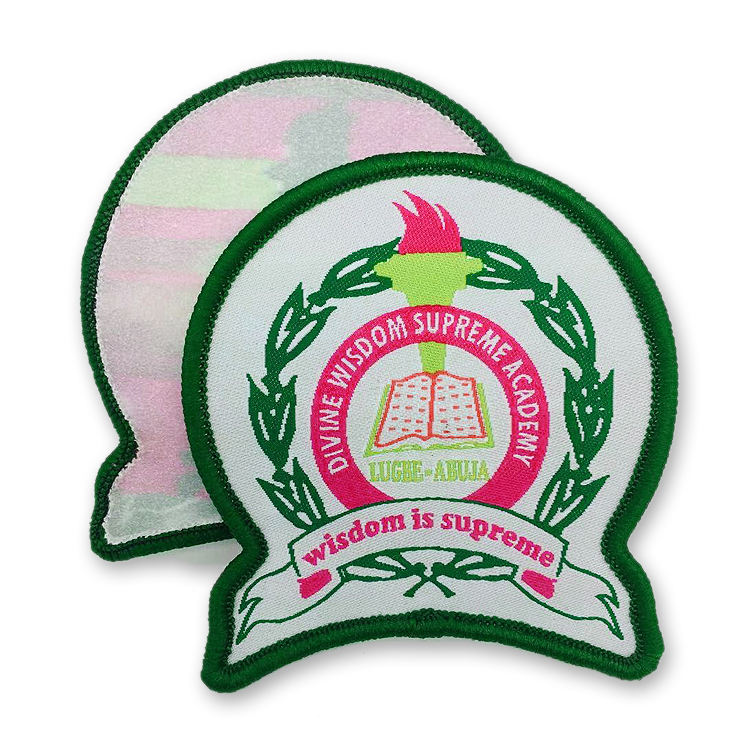
What Custom Emblem Backing Works Best for Polyester, Nylon, and Spandex?
Polyester, nylon, and spandex are more sensitive fabrics than cotton, which means backing choice matters even more. High heat can weaken or distort these materials, so iron-on backings are generally not recommended.
For a reliable and fabric-safe solution, sew-on backing is the best option. It offers strong hold and long-term durability without exposing the garment to heat. This makes it ideal for uniforms, sportswear, and performance apparel.
If you need a non-permanent option, adhesive backing works well for short-term use or light wear. It applies easily and removes cleanly, making it suitable for events or temporary customization.
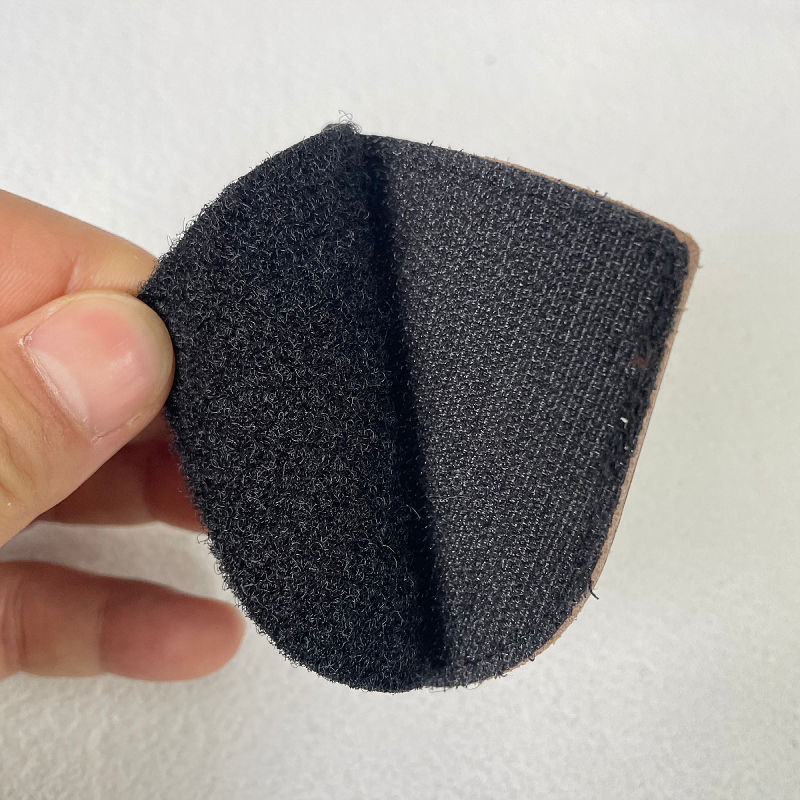
For maximum flexibility, Velcro (hook and loop) backing is another excellent choice. It allows patches to be attached, removed, or swapped without damaging the fabric. This option is especially popular for uniforms, tactical gear, and reusable apparel.
Choosing the right backing helps your patches stay secure while keeping polyester, nylon, and spandex garments in great condition.
What Patch Backing Is Best for Vinyl and Leather Materials?
Vinyl and leather require extra care when applying custom patches, since these surfaces can be damaged by heat or improper attachment methods. Because of this, iron-on backings are not recommended for either material. The high temperatures can warp vinyl and dry out or discolor leather.
For a strong and dependable solution, sew-on backing is the most reliable choice. It delivers long-term durability and keeps the patch firmly in place without risking material damage. This method is commonly used for biker vests, jackets, bags, and premium accessories.
If you need a less permanent option, adhesive backing works well for light use or short-term applications. It allows easy placement while minimizing stress on the material.
For maximum versatility, Velcro (hook and loop) backing is an excellent alternative. It lets you remove or reposition patches effortlessly, making it ideal for interchangeable designs, uniforms, or gear that needs flexibility.
Selecting the right backing ensures your patches stay secure while preserving the look, texture, and quality of vinyl and leather surfaces.
What Patch Backing Is Best for Denim Material?
Denim is one of the most patch friendly fabrics, making it a popular choice for custom emblems on jackets, jeans, bags, and workwear. Its sturdy weave holds patches well and supports multiple backing types, depending on how permanent you want the attachment to be.
For long lasting results, iron-on backing is an excellent option for denim. The fabric can handle heat safely, allowing the adhesive to bond firmly. This method works well for everyday wear and frequent washing when applied correctly.
If maximum durability is the goal, sew-on backing is the most secure choice. Stitching ensures the patch stays in place through heavy use, making it ideal for repairs, high movement areas, and work garments.
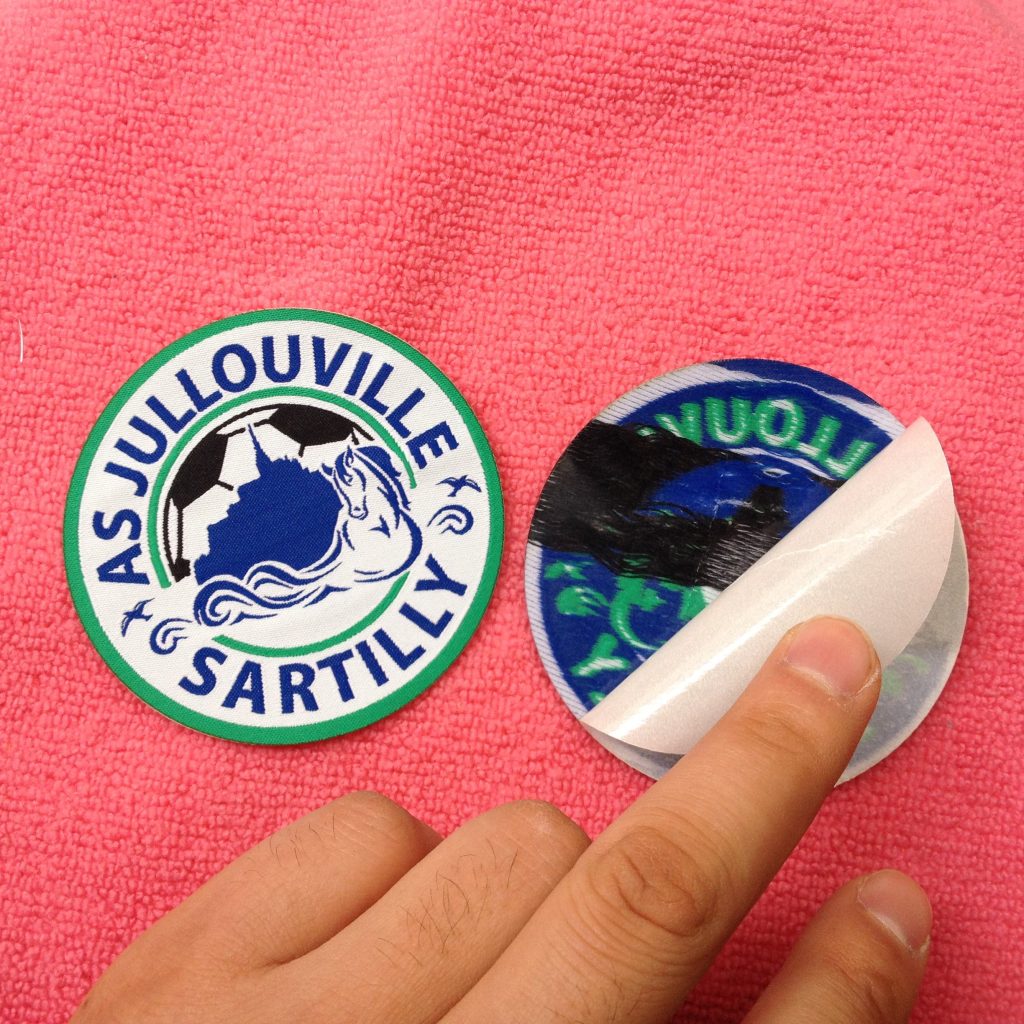
For short term or decorative use, adhesive backing offers quick application without tools. While easy to use, it is best suited for light wear or display pieces rather than items that are washed often.
When choosing a backing for denim, consider how much wear the item will see, whether you need flexibility or permanence, and how simple you want the application process to be. Denim’s strength gives you options, allowing you to balance ease, durability, and design with confidence.
What Patch Backing Works Best for Workout Clothing (Sweatpants)
Custom patches can add personality and branding to your workout gear, but choosing the right backing is key to maintaining comfort, flexibility, and durability.
For long-lasting attachment, iron-on backing is a great option for many workout fabrics, provided the material can tolerate heat. It creates a secure bond that stays through repeated use and washing.
Sew-on backing is another excellent choice, offering the strongest and most reliable hold. This method works well for high-stretch or heavily used activewear, ensuring the patch remains in place without affecting performance.
For temporary or event-specific applications, adhesive backing allows quick placement and easy removal. Similarly, Velcro (hook and loop) backing gives flexibility to swap or reposition patches on the go.
Selecting the right backing ensures your patches look great, stay secure, and complement the stretch and movement of your workout clothing.
What Materials Can You Apply Patches To?
Custom patches are incredibly versatile and can be added to a wide variety of fabrics and items. From everyday apparel like t-shirts, jackets, and jeans to accessories such as backpacks and hats, patches give you the freedom to personalize and make your items stand out.
It’s important to consider the type of material before attaching a patch, as delicate fabrics may require specific backings or application methods to prevent damage. With the right approach, you can turn your favorite items into unique, eye-catching pieces.
Common Materials for Patches:
Cotton
Polyester
Spandex
Vinyl
Leather
Denim
Workout fabrics (sweatpants, leggings, etc.)
Confidence in Every Stitch: Your Satisfaction Matters
At HASHO EMBROIDERY, we focus on creating high-quality custom patches that you’ll love. We provide clear mockups for your approval before production, and our team is always available to guide you in choosing the right patch and backing.
Always check your garment’s care label before applying patches to ensure compatibility. With HASHO EMBROIDERY, you can be confident that your patches will look great, last long, and match your vision perfectly.